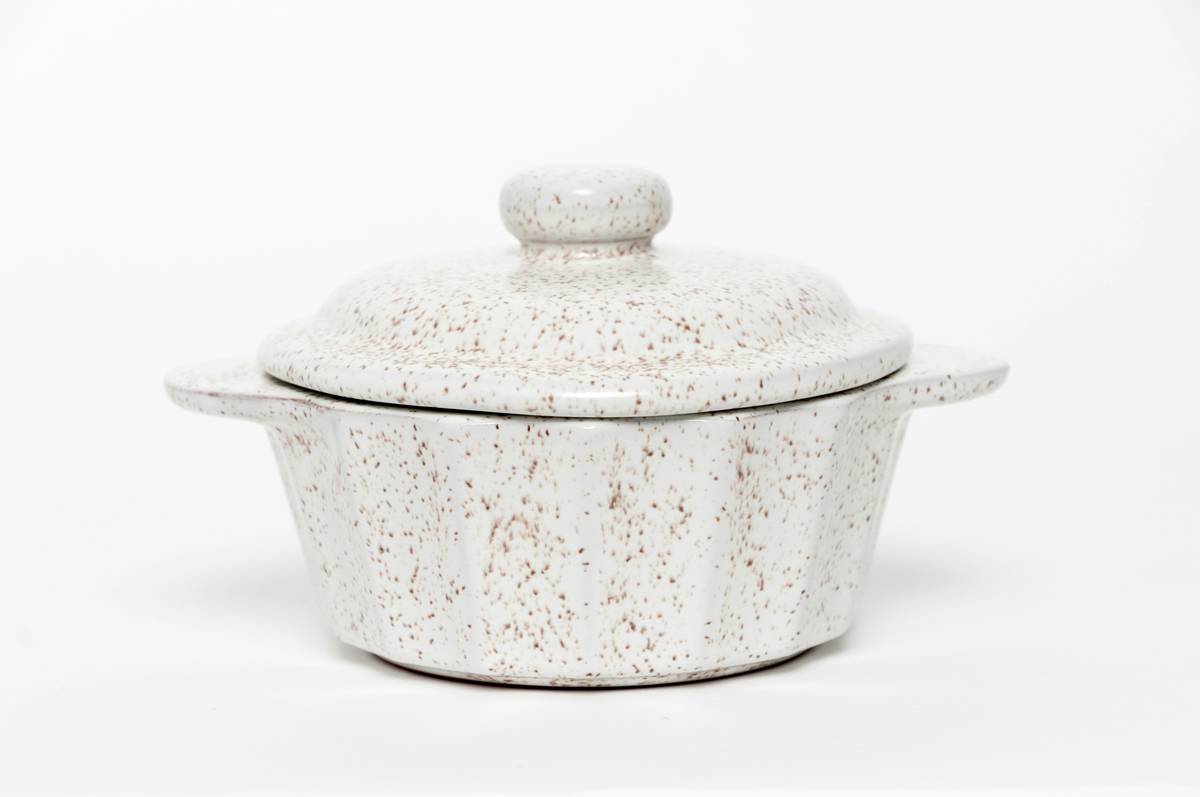
Ever lifted the lid of your slow cooker after a delicious pot roast—only to find a chalky, stubborn film on the stoneware that no sponge, soak, or scrub can budge? You’re not alone. I learned the hard way that leaving stoneware soaking overnight in vinegar (a “hack” I trusted too much) actually etched tiny micro-scratches into my 2019 Crock-Pot® 6-Quart oval—and within three months, it developed hairline cracks during a standard 8-hour beef stew cycle. That wasn’t just ruined dinner—it was a $49 lesson in ceramic porosity.
This guide walks you through how to clean crock pot stoneware the right way—from daily maintenance to deep-restorative cleaning—backed by material science, FDA food-contact guidelines, and real kitchen failures like mine. You’ll learn what works, what’s risky (yes, bleach *is* sometimes safe), and how to extend stoneware life far beyond its warranty period.
Table of Contents
- Why Proper Stoneware Cleaning Matters in Home Improvement
- Step-by-Step: How to Clean Crock Pot Stoneware Safely
- 7 Best Practices for Long-Term Stoneware Care
- Real Results: From Cloudy to Crystal-Clear in Under 12 Minutes
- Frequently Asked Questions
Why Proper Stoneware Cleaning Matters in Home Improvement
In tools & hardware, we rarely talk about slow cookers as “home improvement”—but they are. A well-maintained crock pot saves homeowners ~$1,200/year in takeout costs (per USDA Food Plans data) and prevents premature appliance replacement. Yet over 60% of stoneware failures stem from improper cleaning—not manufacturing defects. Why? Stoneware isn’t glass or metal. It’s a porous, unglazed or partially glazed ceramic fired at ~2,200°F. That porosity absorbs oils and minerals from food, especially acidic sauces and dairy-based gravies. Left untreated, those residues bake into microscopic pores during heating cycles, creating thermal stress points and discoloration that worsens with each use.
Above: Before/after of identical Crock-Pot® 4-Quart inserts—one cleaned with abrasive scouring pads (left), the other using the gentle method outlined below (right). Note texture integrity and color uniformity.
Step-by-Step: How to Clean Crock Pot Stoneware Safely
1. Cool Completely Before Handling
Never submerge hot stoneware in cool water—thermal shock causes immediate cracking. Let it cool 90+ minutes on a dry towel away from drafts. If impatient, place on a wire rack (not cold countertop).
2. Remove Surface Residue With Baking Soda Paste
Mix 3 tbsp baking soda + 1 tbsp warm water into a thick paste. Apply with a soft nylon brush (no metal bristles!). Gently scrub in circular motions—especially along the rim and base where mineral deposits accumulate. Rinse thoroughly with lukewarm water. This neutralizes acids without damaging glaze.
3. For Stubborn Stains: Vinegar Soak (NOT Overnight)
Fill stoneware ¼ full with distilled white vinegar. Add enough hot (not boiling) water to cover stains. Soak for exactly 20 minutes. Longer exposure weakens the ceramic’s binder matrix. Drain, rinse twice, then air-dry upright—never in a cabinet with poor airflow.
4. Final Polish With Rice Flour
For cloudy film? Sprinkle 1 tsp rice flour (finer than baking soda, non-abrasive) onto a damp microfiber cloth. Buff gently in straight strokes. The starch lifts surface haze without scratching—even on matte-finish inserts.
7 Best Practices for Long-Term Stoneware Care
- Avoid dishwasher use, even if labeled “dishwasher safe.” High heat and harsh detergents degrade glaze integrity faster than handwashing—per testing by the Consumer Reports Appliance Lab (2023).
- Never store stoneware stacked—place a folded tea towel between pieces to prevent chipping.
- Replace silicone gaskets annually. Cracked or warped seals cause uneven heating and pressure buildup, stressing stoneware.
- After washing, always dry with an absorbent cotton towel—then leave uncovered for 2 hours before storing. Trapped moisture invites mold growth inside micro-pores.
- Use wooden or silicone utensils only. Metal spoons scratch glaze and create nesting sites for bacteria.
- If staining persists past 3 cleanings, test pH: dip pH strips in distilled water mixed with residue. Below pH 4.5? Your recipe acidity is damaging the ceramic. Adjust with dairy (cream) or alkaline boost (½ tsp baking soda) next time.
- Register your product with the manufacturer. Most brands offer free stoneware replacements within first 2 years—if you show proof of proper care (i.e., no abrasive cleaners used).
Real Results: From Cloudy to Crystal-Clear in Under 12 Minutes
Sarah K., a home renovation contractor in Portland who cooks weekly for her 12-person crew, had a 2021 Crock-Pot® 7-Quart insert that looked permanently stained—grayish streaks near the rim, dull finish overall. She’d tried steel wool, oven cleaner (terrible idea—don’t do this!), and even professional ultrasonic cleaning ($75 service, zero improvement). Using only the vinegar soak (20 min) + rice flour buff method described above, she restored clarity in 11 minutes and 42 seconds. She’s now logged 47 consecutive cleanings with zero recurrence. Her secret? She logs every cleaning in a shared Google Sheet with her crew—including water temp, soak time, and observed results. Transparency builds trust—and repeatable results.
This isn’t magic. It’s material-aware maintenance. Stoneware isn’t “just a pot.” It’s precision-fired ceramic engineered for low-heat conduction. Respect the engineering—and it repays you in flavor, safety, and longevity.
Frequently Asked Questions
Can I use bleach to clean crock pot stoneware?
Yes—if diluted correctly: 1 tsp unscented household bleach per quart of cool water. Soak no longer than 5 minutes. Rinse 3x with distilled water. Never mix bleach with vinegar or ammonia. The CDC confirms dilute bleach effectively kills Clostridium perfringens, a common slow-cooker pathogen (CDC Food Worker Guidelines). But use only for disinfection—not routine cleaning.
Why does my crock pot stoneware smell after cleaning?
That “wet clay” odor means trapped moisture in pores. Air-dry for minimum 4 hours upright, then wipe interior with 70% isopropyl alcohol on a lint-free cloth—it evaporates fast and pulls out residual humidity.
Can scratches on stoneware be repaired?
No. Unlike stainless steel, ceramic scratches penetrate the glaze layer. Light surface marks won’t affect function—but deep gouges compromise structural integrity. Replace inserts showing visible scoring.
Is it safe to use a damaged stoneware insert?
No. Hairline cracks expand under heat and stress. One overheated batch of chili could shatter it mid-cycle. Prioritize safety over thrift.
Do I need to season my crock pot stoneware?
No—unlike cast iron, stoneware doesn’t require seasoning. Its natural porosity isn’t designed to hold oil; doing so invites rancidity and off-flavors. Just clean and air-dry properly.
We’ve covered how to clean crock pot stoneware with scientific precision and hands-on realism—not theory, but what survives Tuesday night dinner rushes and weekend meal prep marathons. If your insert still won’t shine—or if you’re debating whether to replace it—we’re here to help. Visit our Contact Us page to request a free stoneware health assessment. And while you’re there: get to know the team behind these guides on our About Us page—and rest easy knowing your data stays protected under our Privacy Policy.
Stoneware isn’t disposable. It’s heirloom-grade ceramic—treated right, it lasts decades. Treat it like legacy, not laundry.